

A Comprehensive Guide to Choosing SKD LED Street Lights
If you are managing a large-scale municipal project or running a local assembly line, you know that importing fully assembled fixtures isn’t always the most cost-effective route. High import duties and shipping volumes can quickly eat into your margins. This is exactly why many distributors and project managers are shifting their focus toward SKD LED street light components. By sourcing the housing, drivers, and LED modules separately, you gain the flexibility to assemble locally, significantly reducing tariffs while maintaining the high standards expected for public infrastructure. But how do you ensure these parts work together seamlessly?
What does SKD mean in lighting?
In the lighting industry, SKD stands for "Semi-Knocked Down." This refers to a product that is partially assembled in the manufacturing facility (in this case, Infralumin’s factory) and then shipped to the destination country for final assembly. Unlike CKD (Completely Knocked Down), where every single screw and washer is separate, SKD usually provides the major sub-assemblies.
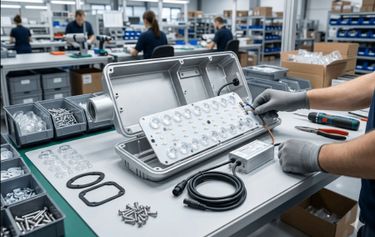
For a street light, this typically means the heavy lifting is done: the LED chips are already mounted on the PCB, and the housing is cast and coated. The local team then performs the final integration—connecting the driver, securing the lens, and sealing the unit. This method is the "goldilocks" zone for B2B buyers; it allows for lower "Made in [Country]" labels and tax incentives without requiring the massive capital investment of a full-scale chip-mounting facility.
Core Components: The Building Blocks of Reliability
When you begin your SKD street lighting assembly guide, you must prioritize the quality of the "Big Three": the LED street light housing, the PCB/Light Engine, and the Driver. If one of these fails, the entire project’s ROI vanishes into maintenance costs.
- LED Street Light Housing: This is the skeletal system of your fixture. At Infralumin, we advocate for die-cast aluminum (specifically ADC12 grade) because of its superior structural integrity and thermal conductivity. The housing must provide an IP66 rating to keep out dust and moisture, alongside an IK08 or IK09 impact rating to survive high winds and vandalism.
- PCB and LED Chips: The Light Emitting Diodes are the heart of the system. High-performance SKD kits use professional-grade chips (like Lumileds or Osram) mounted on a high-conductivity aluminum PCB. This ensures that the light output remains stable over 50,000 to 100,000 hours.
- LED Driver: Often the first component to fail in an outdoor setting. When sourcing SKD LED street light components, it is vital to select drivers from reputable brands like Meanwell, Inventronics, or Sosen. These should offer 10kV surge protection as a standard to handle the unstable power grids often found in outdoor applications.
How to choose SKD street light: Wattage and Optics
Selecting the right wattage isn't just about brightness; it’s about efficiency and compliance with local lighting standards (like EN13201 or IESNA RP-8). For a standard 8-meter pole, a 100W or 120W module is usually sufficient, but the "throw" of that light depends entirely on the optical lens.
Modern SKD kits offer interchangeable lenses that define the light distribution pattern. A Type II lens is ideal for narrow walkways or single-lane roads, while a Type III lens is the industry standard for general roadway lighting, providing a wider forward throw. When you are deciding how to choose SKD street light setups, look for "tool-free" maintenance designs and adjustable CCT options. This allows the local assembly team to toggle between 3000K (warm) for residential areas and 5000K (cool) for highways, all using the same SKU of components. This versatility significantly reduces your inventory overhead.
Heat Dissipation Design Essentials
Thermal management is the single most critical factor in the lifespan of an LED fixture. Unlike traditional HID lamps that radiate heat forward, LEDs conduct heat backward into the housing. If the LED street light housing is not engineered with precision, the junction temperature of the LED chips will rise above the safe threshold, leading to rapid lumen depreciation and color shifting.
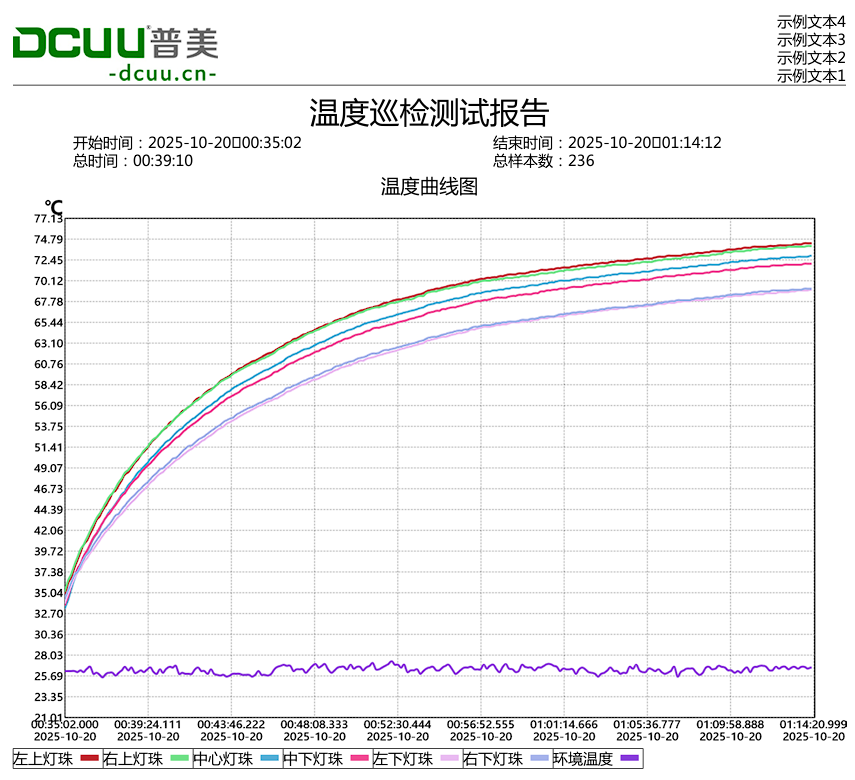
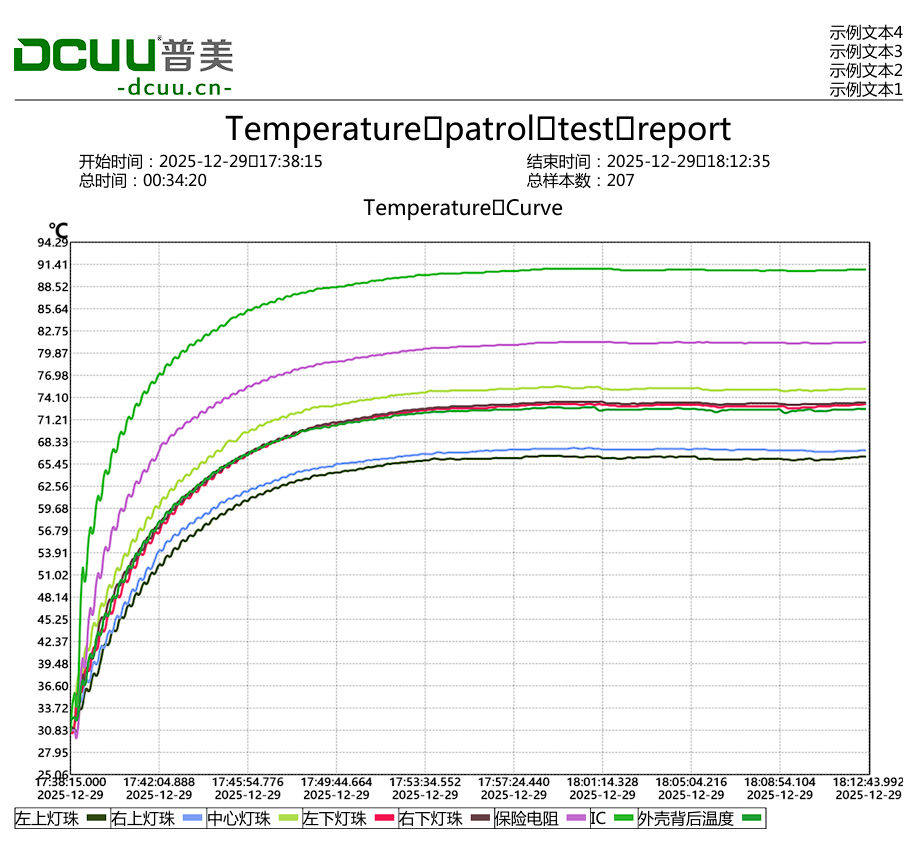
A high-quality heat dissipation design utilizes a "fin" structure on the back of the aluminum housing. These fins increase the total surface area exposed to the air, facilitating natural convection. However, it isn't just about the number of fins; it’s about the "chimney effect." A well-designed housing allows air to flow between the driver compartment and the LED module, creating a cooling draft. Furthermore, the contact point between the PCB and the housing must be perfectly flat and treated with high-grade thermal grease. Any microscopic air gaps between these two surfaces act as insulators, trapping heat and "cooking" the electronics from the inside out. In a professional B2B context, we look for designs that keep the LED junction temperature below 75 degrees Celsius even in ambient temperatures of 45 degrees Celsius.
Picture 2
Sourcing Quality SKD Parts
The success of your assembly line depends on the consistency of your supplier. When sourcing SKD LED street light components, you are not just buying parts; you are buying a partnership. You need a manufacturer that provides rigorous QC reports for every batch, including IES files, thermal testing data, and salt spray test results for the paint finish.
Infralumin’s approach to SKD is rooted in our OEM/ODM heritage. We provide detailed SOPs (Standard Operating Procedures) for the final assembly, ensuring that your local workers can achieve the same IP66 seal that we do in our Shenzhen facility. We also provide the necessary testing equipment recommendations—such as high-pot testers and waterproof testing tanks—to ensure that every unit leaving your local line is as reliable as a fully built unit.
Comparison of SKD Component Materials
| Component | Standard Grade | Infralumin Pro Grade | Benefit |
|---|---|---|---|
| Housing Material | Recycled Aluminum | Virgin ADC12 Die-Cast | Better heat dissipation & durability |
| Screws/Fasteners | Galvanized Steel | 304 Stainless Steel | Zero corrosion in coastal areas |
| Lens Material | Standard Acrylic | UV-Stabilized Polycarbonate | No yellowing over 10 years |
| Thermal Paste | Low-grade Silicon | High-K Thermal Grease | $5-10^{\circ}C$ lower junction temp |
Conclusion
Choosing to transition to an SKD model is a strategic move that can dramatically increase your competitiveness in municipal bidding and large-scale industrial projects. By focusing on the synergy between the LED street light housing, high-efficiency drivers, and advanced thermal management, you ensure that your "local" product rivals the best in the global market.
At Infralumin, we specialize in bridging the gap between high-end Chinese manufacturing and your local assembly goals. Whether you need customized molds or pre-tested driver-PCB kits, our team of engineers is ready to support your technical journey. Let’s build more efficient, longer-lasting cities together.
FAQ
What tools are required for the SKD street lighting assembly guide?
For a professional setup, you will need electric torque screwdrivers, a thermal paste dispenser, a high-voltage (Hi-Pot) tester, and a basic waterproof testing tank or vacuum leak tester. This ensures the IP66 integrity of the LED street light housing is maintained after the final seal.
How do I ensure the waterproof rating on SKD LED street light components?
The key is the high-quality silicone gasket and the uniform pressure of the housing screws. During assembly, ensure the gasket is seated perfectly in its groove and that the cable gland is tightened to the correct torque specification.
Can I mix and match drivers from different brands in an SKD kit?
While possible, it is not recommended without extensive testing. The SKD LED street light components we provide are matched for voltage and current compatibility. Using an unverified driver can lead to flickering or premature LED failure.
What are the tax benefits of choosing to buy SKD parts?
In many countries, the import duty for "parts" is significantly lower (often 5% to 15% less) than for "finished luminaires." This allows you to offer a more competitive price to municipal clients while technically supporting local industry.
How to choose SKD street light components for coastal environments?
Look for housings with a C5-M anti-corrosion coating and 304 or 316 stainless steel external hardware. This prevents the "pitting" of the aluminum and ensures that the fixture remains maintainable in high-salt environments.

Zhongshan Lumin Technology Co., Ltd. is a renowned high-tech enterprise specializing in the research, development, and manufacturing of industrial LED lights.
Contact
@2026 Zhongshan Lumin Technology Co., Ltd.