

How Cities Choose the Right Street Lighting System
As urban infrastructure evolves, selecting the right municipal street lighting system has become a strategic decision for city planners and project contractors. Beyond illumination, modern street lighting must deliver long-term cost efficiency, sustainability, and adaptability to future smart city upgrades. Whether cities source solutions from a solar street light factory or rely on traditional grid systems, understanding the full picture is essential.
This article explains how municipalities compare grid and solar lighting options, evaluate street lighting TCO, and choose commercial-ready solutions from reliable solar LED street light manufacturers.
Grid Street Lighting vs Commercial Solar Street Lights
Grid-powered street lighting has long been the standard for urban roads and city centers. It offers stable performance where electrical infrastructure is already available. However, installation often requires trenching, cabling, and coordination with utility providers—factors that increase both cost and deployment time.
In comparison, commercial solar street lights provide a flexible alternative. Powered by integrated solar panels and battery systems, they operate independently from the grid. This makes them ideal for highways, industrial parks, suburban developments, and rural municipalities.
Cities increasingly work directly with a solar street light manufacturer to customize lighting specifications for road width, pole height, and illumination standards. Compared to grid systems, solar lighting reduces civil works, shortens project timelines, and improves energy resilience during outages.
Street Lighting TCO: Why Cities Look Beyond Initial Cost
When evaluating suppliers—whether through solar street light wholesale channels or direct factory sourcing—municipalities focus on street lighting TCO (Total Cost of Ownership) rather than unit price alone.
Grid-powered systems typically involve lower upfront luminaire costs but generate continuous expenses through electricity consumption, cable maintenance, and grid dependency. Over 10–20 years, these operating costs can exceed the original investment.
Solar systems, especially when sourced from experienced solar LED street light manufacturers, offer predictable long-term savings. With no electricity bills and fewer failure points, maintenance costs are significantly reduced. For large-scale deployments, cities often choose wholesale solar LED street light procurement models to further optimize budgets and ensure consistent quality across projects.
Smart Street Lighting Readiness from Solar Street Light Factories
Modern municipalities are no longer purchasing lighting systems solely for today’s needs. Increasingly, they expect infrastructure to support future smart street lighting projects.
Leading solar street light factories now design products with smart-ready architecture, allowing for remote monitoring, adaptive dimming, and fault alerts. These features help cities reduce energy waste, improve maintenance efficiency, and integrate lighting into broader smart city platforms.
Choosing a forward-thinking solar street light manufacturer ensures compatibility with IoT controllers and future system upgrades, avoiding costly replacements as technology evolves.
Choosing the Right Solar Street Light Manufacturer for Municipal Projects
Supplier selection plays a critical role in project success. Municipal buyers typically prioritize manufacturers that offer:
- Proven experience in commercial solar street lights
- Consistent quality control from factory production
- Flexible solar street light wholesale solutions for large tenders
- Long-term technical support and warranty coverage
Working directly with a reliable manufacturer allows cities to balance performance, cost control, and future scalability.
A Practical Solar Solution for Municipal Street Lighting
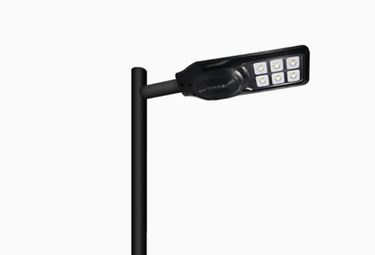
For cities seeking a dependable solution from a trusted solar street light manufacturer, the Infralumin SSE03 Solar Street Light is designed specifically for municipal and commercial applications.
Manufactured with high-efficiency solar panels, durable LED optics, and intelligent energy management, the SSE03 delivers stable illumination while helping cities control street lighting TCO. Its modular design also supports future smart upgrades, making it suitable for both current infrastructure needs and long-term urban development plans.
By sourcing directly from an experienced solar street light factory like Infralumin, municipalities can confidently deploy scalable, cost-effective, and future-ready solar lighting systems.

Zhongshan Lumin Technology Co., Ltd. is a renowned high-tech enterprise specializing in the research, development, and manufacturing of industrial LED lights.
Contact
@2026 Zhongshan Lumin Technology Co., Ltd.