

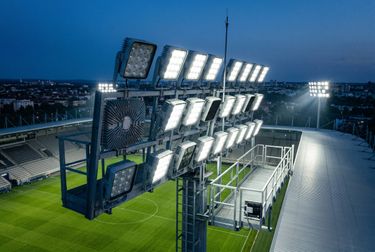
Common Problems with LED Stadium Lights and How to Fix Them
Facility managers and municipal project engineers know the high-stakes reality of outdoor venue management: an upcoming high-profile game is on the line, and the field illumination is suddenly compromised. Upgrading your infrastructure to solid-state fixtures was supposed to eliminate ongoing maintenance headaches, yet many facilities still encounter unexpected LED stadium light problems that disrupt operations. Whether it is a sudden power supply failure in the middle of a tournament or complaints from local neighborhoods about intense brightness spilling into their yards, these hardware and optical faults directly impact safety, player performance, and spectator experience. Are you ready to identify the root causes of these lighting failures and implement targeted technical fixes to get your sports facility back to optimal performance?
Recognizing Common Stadium Lighting Issues
Transitioning from traditional metal halide or high-pressure sodium lamps to modern solid-state technology introduces a completely different electrical and thermal architecture. Unlike older legacy lamps that simply burn out and go completely dark over time, modern fixtures degrade in more complex ways. Identifying the exact nature of the fault requires an understanding of how the diodes, thermal management structures, drivers, and optical lenses interact under harsh outdoor environmental stressors.
Heavy wind loads, torrential rain, extreme temperature fluctuations, and unstable municipal power grids can all trigger specific technical faults. Before initiating any repair protocols, maintenance teams must accurately diagnose the symptoms. Below is a rapid-response diagnostic table to help general contractors and engineers correlate visual symptoms with their underlying technical causes.
| Visual Symptom | Primary Technical Cause | Recommended Immediate Action |
|---|---|---|
| Random fixture shutdown | Thermal sensor trip or driver overload | Check die-cast aluminum heat sinks for debris; verify grid voltage. |
| Rapid, visible strobing | Pulse Width Modulation (PWM) frequency mismatch | Inspect dimming control wiring; replace driver with constant-current model. |
| Uneven field illumination | Asymmetrical lumen depreciation or shifted optics | Re-aim fixtures using laser sights; check polycarbonate lenses for UV degradation. |
| Complete row failure | Tripped breaker from high inrush current | Stagger the startup sequence using a smart lighting control panel. |
| Water pooling in lens | Failed IP/IK rating seal or degraded silicone gasket | Power down immediately; replace gaskets or the entire optical housing. |
Addressing Flickering (Crucial for Broadcasting)
One of the most disruptive optical issues you can encounter in a high-speed sports environment is flickering stadium lights. This phenomenon is rarely caused by the light-emitting diodes themselves; instead, it is almost entirely an electrical issue originating from the power supply or the control system. In high-definition, slow-motion sports broadcasting, cameras capture footage at hundreds of frames per second. If the alternating current (AC) ripple passing through the driver is not properly smoothed into a strict direct current (DC) output, the camera shutter will catch the micro-second drops in lumen output, resulting in a highly distracting strobe effect on television screens.
To permanently resolve this issue, the engineering focus must shift to the internal architecture of the driver and the dimming methodology. Many budget-friendly systems utilize Pulse Width Modulation (PWM) dimming at very low frequencies, which inherently causes visible strobing when dimmed. Resolving this requires upgrading to premium drivers that utilize Constant Current Reduction (CCR) dimming or ultra-high-frequency PWM (typically above 3000Hz). Furthermore, installing heavy-duty capacitors within the driver housing can help smooth out severe voltage ripples caused by heavy machinery or HVAC systems sharing the local power grid. Ensuring your fixtures are equipped with high-tier, broadcast-ready drivers eliminates the stroboscopic effect, protecting both the visual comfort of the athletes and the commercial value of the broadcast.
Troubleshooting Driver Failures
The power supply unit is universally recognized as the most vulnerable component in any outdoor high-mast system. While high-quality diodes can easily operate for over 100,000 hours, the drivers driving them often succumb to environmental and electrical stress long before the chips degrade. When a heavy-duty fixture completely drops offline without warning, the driver is almost always the culprit.
This component handles the brutal task of stepping down high-voltage AC grid power into low-voltage DC power, generating significant internal heat while simultaneously absorbing destructive power surges from the local electrical grid.
Mitigating driver failure requires a multi-layered engineering approach focused on isolation and protection. First, electrical engineers must specify drivers equipped with robust internal surge protection devices (SPDs), typically rated between 10kV and 20kV, to absorb transient voltage spikes caused by lightning strikes or grid switching. Secondly, thermal isolation is critical. If the driver is mounted directly against the main die-cast aluminum housing without an air gap, it will absorb the heat generated by the diodes, rapidly degrading its internal electrolytic capacitors.
The most reliable OEM/ODM configurations utilize a separated or remotely mounted driver box to ensure independent thermal dissipation. Finally, ensuring the driver enclosure maintains a strict IP67 rating and is filled with highly conductive potting compound will prevent corrosive moisture ingress, drastically extending the lifespan of the power supply.
Dealing with Glare and Light Trespass
While driver failures represent mechanical breakdowns, optical misalignments represent a failure in site engineering. Glare occurs when the luminous intensity of the fixture strikes the players' or spectators' eyes directly, causing temporary visual impairment. Light trespass, on the other hand, happens when lumens spill beyond the boundary of the sports complex, triggering zoning disputes and municipal complaints from surrounding residential neighborhoods.
Implementing effective stadium light glare control requires a combination of precise optical engineering and physical shielding accessories. Rather than simply dialing down the overall wattage and compromising the safety of the field, facility operators should utilize the following targeted solutions:
- Precision TIR Lenses: Upgrade the fixture's optical arrays to Total Internal Reflection (TIR) lenses. These direct the beam with pinpoint accuracy, keeping the candela focused purely on the playing surface rather than scattering into the night sky.
- External Spill Shields: Install mechanical visors, louvers, or "barn doors" on the external casing of the fixture. These physically block high-angle light paths from reaching spectator seating or adjacent properties.
- Asymmetric Light Distribution: Utilize fixtures specifically engineered with asymmetric optics. These modules push light forward and downward at a steep angle, allowing the poles to remain perfectly horizontal to the ground, which drastically reduces the surface area visible to the human eye.
- Laser-Guided Aiming: Employ digital laser sights during the installation and maintenance phases to micro-adjust the tilt angle of each individual module, ensuring the beam spread aligns perfectly with the photometric lighting plan.
Preventive Maintenance Checklist
Even the most heavily engineered, high-IP/IK rated fixtures require routine attention to perform at their peak. Adopting a proactive sports lighting maintenance strategy is the most cost-effective way to secure your initial capital investment and prevent minor wear and tear from escalating into catastrophic hardware failures. Utilizing fixtures with tool-free maintenance designs significantly drastically reduces the labor hours required to execute these checks at high elevations.
To keep your facility running flawlessly, ensure your local contractors follow this rigorous, scheduled maintenance protocol:
- Thermal Fin Clearing: Inspect the rear die-cast aluminum heat sinks every six months. Remove any accumulated dirt, leaves, or bird nests that could insulate the fixture and cause the system to thermally throttle or overheat.
- Gasket and Seal Inspections: Assess the integrity of all silicone gaskets around the lenses and driver compartments. UV radiation can dry out these seals over time; replacing them proactively ensures the IP66 water resistance rating remains intact.
- Surge Protector Replacement: Treat modular surge protectors as consumable items. After heavy spring or summer electrical storms, inspect the indicator lights on the SPDs and swap out any modules that have sacrificed themselves to protect the fixture.
- Lens Cleaning: Gently wash polycarbonate or tempered glass lenses with non-abrasive, industrial-grade cleaning solutions to remove atmospheric grime and smog, which can easily cause a 10% to 15% drop in field lux levels if left unchecked.
- Mechanical Fastener Checks: Wind load vibrations at the top of high-mast poles can gradually loosen mounting brackets. Regularly torque all slip-fitter bolts and verify that the tool-free latching mechanisms are firmly locked into place.
Conclusion
Managing a high-traffic commercial sports facility is demanding enough without having to constantly battle unexpected illumination failures. By understanding the core technical realities behind common LED stadium light problems—from stroboscopic electrical issues to optical glare and thermal degradation—you can implement targeted, engineered solutions that protect your operational budget. However, the ultimate fix is prevention. When it is time for a facility retrofit or a new stadium build, partnering with a highly experienced OEM/ODM manufacturer ensures that these structural vulnerabilities are engineered out of the product from the very beginning. Infralumin specializes in designing ultra-reliable, die-cast aluminum sports fixtures featuring superior thermal management, high-tier component integrations, and advanced smart lighting capabilities. Do not let poorly engineered equipment leave your players and spectators in the dark; upgrade to robust lighting solutions built specifically for the unforgiving rigors of the outdoor environment.
FAQ
What are the most frequent LED stadium light problems encountered by managers?
The most widespread issues include premature power supply failures due to power surges, severe moisture ingress from degraded IP seals, overheating caused by poor heat sink designs, and optical issues like uneven light distribution or lumen depreciation over time.
How can I quickly fix flickering stadium lights before a broadcast event?
Strobing is usually an electrical driver issue. You must verify that your control system's dimming frequency is compatible with the power supply. For an immediate, permanent fix, replace the existing power supplies with high-frequency, flicker-free drivers designed specifically for slow-motion high-definition broadcasting.
What is the most effective method for stadium light glare control?
The most reliable method is a dual approach: first, utilize asymmetric optical lenses that direct the beam downward without requiring the fixture itself to be tilted upward. Second, attach physical louvers or spill shields to physically block stray light from reaching the spectators' direct line of sight.
How often should we conduct routine sports lighting maintenance?
A comprehensive inspection should be conducted at least twice a year. This routine should include cleaning the optical lenses, clearing debris from the die-cast aluminum heat sinks, checking the torque on all mounting brackets, and verifying the status of the surge protection devices.
Why do LED drivers fail prematurely in outdoor installations?
Drivers typically fail due to severe transient voltage spikes from the municipal grid, thermal overload from being mounted too closely to the diode heat sinks, or internal short circuits caused by water bypassing degraded weather seals. Utilizing high-surge, deeply potted Class II drivers mitigates these risks.

Zhongshan Lumin Technology Co., Ltd. is a renowned high-tech enterprise specializing in the research, development, and manufacturing of industrial LED lights.
Contact
@2026 Zhongshan Lumin Technology Co., Ltd.