

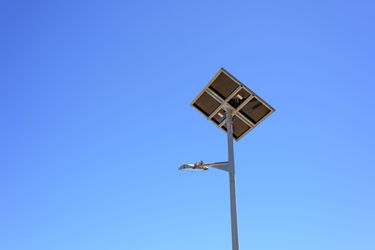
Solar Street Lights: Illuminating Pathways to a Greener Future
Solar street lights are an innovative and eco-friendly solution for illuminating streets, pathways, and public spaces. Harnessing the power of the sun, these lights provide a sustainable and cost-effective alternative to traditional street lighting. This comprehensive guide will delve into the various aspects of solar street lights, helping you understand their benefits, types, installation process, and much more.
Understanding Solar Street Lights
What are Solar Street Lights?
Solar street lights are outdoor lighting systems that utilize solar panels to capture and convert sunlight into electricity. This electricity is stored in batteries and used to power LED lights during the night.
Components of Solar Street Lights
- Solar Panels: Capture sunlight and convert it into electricity.
- LED Lights: Provide bright and efficient illumination.
- Rechargeable Batteries: Store the electricity generated by the solar panels.
- Controller: Manages the charging and discharging of the batteries.
- Pole and Mounting Bracket: Support the solar panels and lights.
Benefits of Solar Street Lights

Cost-Effective
Solar street lights eliminate the need for electricity from the grid, reducing energy costs and providing a return on investment over time.
Environmentally Friendly
By utilizing renewable solar energy, these lights reduce carbon emissions and promote sustainable energy practices.
Easy Installation
Solar street lights are standalone systems that do not require extensive wiring or trenching, making installation simpler and less labor-intensive.
Low Maintenance
With fewer moving parts and no reliance on external power sources, solar street lights require minimal maintenance.
Enhanced Safety
Providing reliable illumination in public spaces, solar street lights improve safety and security for pedestrians and drivers.
Types of Solar Street Lights
All-in-One Solar Street Lights
These integrated systems combine all components into a single unit, simplifying installation and maintenance.
Split-Type Solar Street Lights
Featuring separate solar panels and LED lights, these systems offer flexibility in positioning and better heat dissipation.
Motion Sensor Solar Street Lights
Equipped with motion sensors, these lights increase brightness when movement is detected, conserving energy and enhancing security.
Smart Solar Street Lights
Connected to a central management system, smart solar street lights offer remote monitoring, control, and optimization of lighting performance.
Choosing the Best Solar Street Light
Determine Your Lighting Needs
Assess the area to be illuminated, considering factors such as size, required brightness, and duration of illumination.
Evaluate Solar Panel Efficiency
Look for high-efficiency solar panels that can generate sufficient power even on cloudy days.
Check Battery Capacity
Ensure the batteries have enough capacity to store the energy needed for overnight lighting.
Consider LED Quality
Opt for high-quality LED lights that provide bright, consistent, and energy-efficient illumination.
Look for Durability
Choose solar street lights with robust construction and weather-resistant materials to withstand harsh environmental conditions.
Installation of Solar Street Lights
Site Assessment
Conduct a thorough assessment of the installation site, considering factors such as sunlight exposure, shading, and local weather conditions.
Positioning the Solar Panels
Ensure the solar panels are positioned to receive maximum sunlight throughout the day, typically facing south in the northern hemisphere.
Mounting the Light
Securely mount the light unit on a sturdy pole, ensuring it is at the appropriate height and angle for optimal illumination.
Wiring and Connections
Connect the solar panels, batteries, and LED lights according to the manufacturer's instructions, ensuring all connections are secure and weatherproof.
Testing the System
Test the solar street light system to ensure it operates correctly, adjusting the settings as necessary for optimal performance.
Maintenance Tips for Solar Street Lights
Regular Cleaning
Keep the solar panels clean and free from debris to ensure maximum sunlight absorption.
Battery Check
Periodically check the battery health and replace it if necessary to maintain consistent performance.
Inspect Connections
Regularly inspect all electrical connections for signs of wear or corrosion, addressing any issues promptly.
Monitor Performance
Use any available monitoring tools to track the performance of your solar street lights, identifying and addressing any issues quickly.
Advantages Over Traditional Street Lights
Energy Independence
Solar street lights operate independently of the power grid, providing illumination even during power outages.
Reduced Operational Costs
With no electricity bills and minimal maintenance, solar street lights offer significant cost savings over their lifespan.
Quick and Flexible Deployment
Solar street lights can be quickly installed in various locations without the need for extensive infrastructure.
Enhanced Sustainability
By reducing reliance on fossil fuels, solar street lights contribute to a cleaner and more sustainable environment.
Conclusion
Solar street lights offer a sustainable, cost-effective, and reliable solution for outdoor lighting needs. By harnessing the power of the sun, these innovative systems provide numerous benefits, from reduced energy costs to enhanced safety and environmental sustainability. With various types and features available, you can choose the best solar street light to meet your specific needs. Proper installation and maintenance will ensure that your solar street lights operate efficiently and effectively for years to come.

Zhongshan Lumin Technology Co., Ltd. is a renowned high-tech enterprise specializing in the research, development, and manufacturing of industrial LED lights.
Contact
@2026 Zhongshan Lumin Technology Co., Ltd.